A fleet washer must clear soil quickly without damaging paint, decals, seals or wheel components, and its advertised maximum pressure tells you only part of the story. By comparing flow, working pressure, duty cycle, water, power, drainage and accessories, you can select a machine that matches your vehicles and wash-bay capacity.
Key takeaways
- Size by fleet volume, vehicle size, wash frequency and available bay time.
- Prioritise litres per minute for rinsing speed and loose-soil removal.
- Match cold or hot water, mobile or fixed systems to your wash operation.
- Confirm water storage, drainage, electrical supply and servicing before purchase.
How to size a pressure washer for your fleet
Size a professional pressure washer for fleet maintenance in Coimbatore from vehicle numbers, vehicle size, wash frequency and available bay time—not maximum bar. Pressure supplies impact; litres per minute determine rinsing speed and loose-soil removal.
A 150-bar washer delivering 15 litres per minute has 2,250 cleaning units, while a 200-bar washer at 10 litres per minute has 2,000.
| Machine | Pressure | Flow | Cleaning units | Hydraulic output before losses |
|---|---|---|---|---|
| 150-bar unit | 150 bar | 15 L/min | 2,250 | 3.75 kW |
| 200-bar unit | 200 bar | 10 L/min | 2,000 | 3.33 kW |
Calculate capacity with these figures: vehicles per shift = available washing minutes ÷ wash minutes per vehicle; litres per vehicle = flow in L/min × wash minutes. Set a queue limit and turnaround target, then size for simultaneous operators: two 15-L/min guns require 30 L/min. A 500-litre tank lasts about 16.7 minutes at that flow.
Ask for rated working pressure, rated flow, daily operating hours, pump duty cycle and continuous-use limits. Confirm whether pressure is measured at the pump outlet or gun; nozzle restriction and hose losses reduce gun pressure. Hydraulic power is bar × litres per minute ÷ 600, before pump and motor losses.
Compare these figures, not maximum pressure alone, which may describe a relief-valve or short-duration condition.
Choose the pump and operating pressure by vehicle type
Match the pressure washer for fleet cleaning to the surface, not the machine’s maximum rating. Use the lowest effective pressure and a wide fan that removes soil without forcing water past seals or connectors.
| Task | Working-pressure guidance | Spray and use |
|---|---|---|
| Paint, decals, badges, weather seals, electrical connectors and door seals | 60–90 bar | Wide fan, greater distance, cold water where possible |
| Cars and vans, routine road film | 80–120 bar | 25°–40° fan; rinse with adequate flow |
| Bus and truck bodywork | 90–130 bar | Wide fan; avoid damaged paint and graphics |
| Wheels and wheel wells | 100–140 bar | Narrower fan only where components permit |
| Chassis and heavy soil | 140–180 bar | Use only on sound metal and protected areas; keep away from bearings and wiring |
A single-plunger reciprocating pump suits occasional washing, smaller fleets and one operator. It costs less, is easier to access, and parts are widely familiar, but its stronger pulsation and noise make long sessions tiring.
A triple-plunger pump delivers smoother flow, lower pulsation and better control for repeated commercial use; choose it for long daily operation, several vehicles per shift or frequent simultaneous work, provided local seals, valves and plungers are available.
Match the nozzle orifice to pump flow and pressure. A smaller nozzle creates restriction, overheating and unloader stress; a worn nozzle lowers pressure and produces an uneven pattern. Total-stop control is preferable to continuous bypass. If bypass remains, require bypass-temperature protection.
Never direct hot water closely at damaged paint, vinyl graphics, soft trim or wheel bearings.
Compare cold-water, hot-water, mobile and fixed wash-bay systems
Choose the commercial pressure washer in Coimbatore by contamination, location and daily volume, not maximum bar. Use this comparison:
| Option | Best fit | Wrong choice |
|---|---|---|
| Cold-water electric | Dust, mud and routine road film at a supplied wash bay | Greasy contamination; cold water struggles to dissolve oil, grease and tyre dressing |
| Hot-water or steam | Oil, grease, tyre dressing and workshop contamination | Light-duty washing, where burner fuel, exhaust and scale maintenance add cost and service work |
| Mobile | Dispersed sites or locations with limited fixed infrastructure | A centralised fleet bay; transport sacrifices drainage and may constrain water or electrical supply |
| Fixed wash-bay | Predictable, high-volume fleet work with repeatable vehicle flow | Fleets serviced at changing locations; installation becomes underused |
Match the wash system to the site. A mobile unit needs a reliable water source, suitable power and a plan for collecting wastewater. A heated machine needs burner fuel, exhaust clearance, descaling and protection for damaged paint, decals, soft trim and wheel bearings.
Treat throughput equipment as part of the machine: specify hose reels, anti-kink high-pressure hose, trigger guns with replaceable seals, quick couplers, inlet filters and spare nozzles. Long hoses, back-pressure and restricted nozzles weaken downstream injector draw, so test detergent concentration using the actual hose and nozzle.
Choose a tested foam lance or pump-fed chemical system when repeatable pre-soaking matters.
Check water, drainage and electrical capacity before purchase
1. Measure the inlet before ordering. Run every intended gun at once: two guns using 15 litres per minute require about 30 litres per minute. A 500-litre tank supplies that flow for only 16.7 minutes before makeup water enters.
Check source pressure under flow, not with a closed tap, and require the supplier to state the acceptable pressure range and maximum inlet temperature. Fit an inlet strainer and hose with enough internal diameter to prevent starvation; never run a positive-displacement pump dry.
2. Test the water for hardness, dissolved minerals and suspended solids. Hard water scales heating coils, blocks injector passages and shortens pump-valve life, so specify a softener or treated-water stage where the test justifies it, plus a written descaling interval.
Heated systems need filtration and treatment before the coil; record each service rather than waiting for reduced temperature or flow.
3. Treat wash water as wastewater, not stormwater. Use a graded bay leading through a silt or settling stage and oil separation because runoff can contain road solids, oil, grease, detergents and metals. Check Tamil Nadu Pollution Control Board discharge, sewer-connection and consent requirements before construction.
A reclaim system suits initial and underbody washing; use treated fresh water for final rinsing, with solids control, oil control and biological or disinfection treatment where required.
4. Put the electrical schedule in the quotation: single- or three-phase supply, voltage, starting current, cable length, earthing, overload protection, wet-area residual-current protection, generator compatibility and IEC 60335-2-79 alignment. Motor horsepower alone proves nothing; confirm the washer’s flow, duty and protections under load.
Build a comparable supplier specification and service plan
A comparable quotation records delivered performance, site demands and service obligations in the same units. Do not rank a fleet pressure washer supplier by maximum bar alone; that figure often describes relief-valve or short-duration output.
| Tender field | Require in every quotation |
|---|---|
| Performance | Litres/minute at rated working pressure; normal working pressure; maximum pressure; pump outlet or gun measurement; nozzle chart matched to the supplied pump |
| Duty | Pump type; allowable daily hours; duty cycle; number of simultaneous guns; vehicle mix; hot-water requirement |
| Water and chemical | Inlet flow, water-source pressure range, storage capacity, maximum inlet temperature, detergent method and wastewater arrangement |
| Electrical and reach | Single- or three-phase supply, voltage, starting current, cable length, hose length, noise and generator compatibility |
| Site and support | Reclaim expectations, warranty terms, consumable costs and local service response time |
Require written confirmation that spare plungers, valves, seals, unloader parts, nozzles, inlet filters, high-pressure hose and trigger guns are available locally. Ask for prices and lead times, not just a statement that parts are supported.
Assess GMS Car Wash Equipments alongside other local suppliers only after testing its proposal against these fleet-specific fields, site utilities and service commitments. That comparison exposes a low-flow machine hidden behind a high headline bar.
Commission the selected unit by measuring flow into a calibrated container, verifying working pressure with the intended nozzle, running every gun simultaneously, inspecting detergent draw, checking drainage and recording electrical behaviour under load.
Related products
 | Vehicle Washer Car Pressure Washer Supplier In Coimbatore GMS Engineering vehicle washer pumps are highest standards to give a trouble-free performance. View product → |
 | Vehicle Washer High Pressure Garage Car Washer In Coimbatore | GMS Engineering We are leading manufacturers, Suppliers, Exporters of Car Washer. View product → |
Frequently asked questions
How do you size a pressure washer for fleet maintenance?
Use your vehicle count, vehicle dimensions, wash frequency and available bay time. Pressure supplies impact, while litres per minute controls rinsing speed and loose-soil removal.
What operating pressure and pump type suit different fleet vehicles?
Choose the pump and operating pressure according to the vehicle’s size, soil type and surfaces being cleaned. Avoid selecting solely by the highest bar rating.
Should a fleet use a cold-water, hot-water, mobile or fixed pressure washer?
Use cold water for routine dirt removal, hot water when grease and oily deposits dominate, mobile equipment when wash locations change, and fixed systems when vehicles return to a dedicated bay.
What site checks are needed before buying a commercial pressure washer?
Check water availability and storage, drainage capacity, electrical supply, wash-bay layout and the supplier’s maintenance, spare-parts and response plan.
Related products
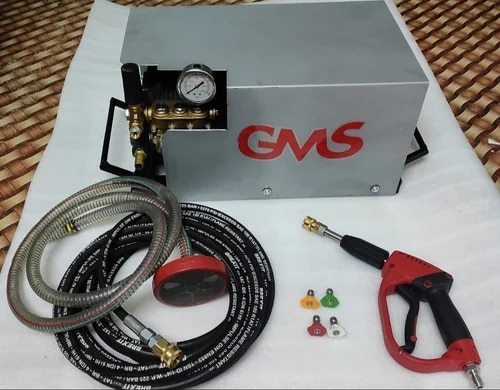 | Vehicle Washer Vehicle Washer Equipment In Coimbatore GMS Engineering vehicle washer pumps are highest standard's to give a trouble free performance. View product → |
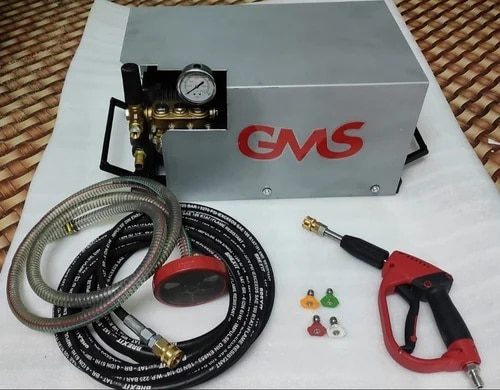 | Coimbatore Pressure Car Washer Manufacturer Coimbatore Pressure Car Washer Manufacturer | GMS Engineering Coimbatore Pressure Car Washer Manufacturer in Coimbatore Car Pressure Washer Manufacturer in Coimbatore High Pressure Car Washer... View product → |
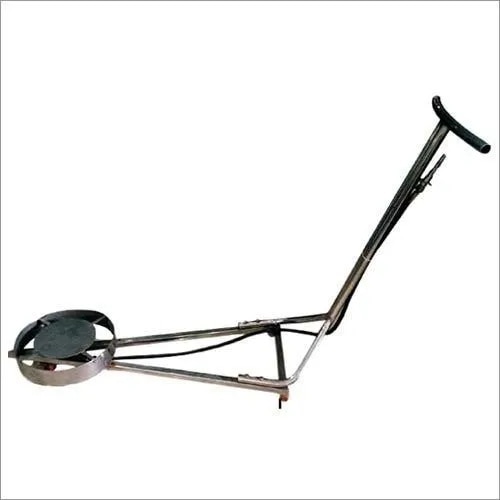 | Car Washing System | Coimbatore GMS Engineering Product Details: Motor Power 3HP Material SS Length 3 FT Pressure Capacity 60 BAR Usage/Application CARS Country of... View product → |
 | Steam Car Washer Steam Car Washer in Coimbatore | GMS Engineering GMS Engineering steam car washer is a device that uses high-pressure, hot water or steam to clean the interior and exterior of a... View product → |
Keywords