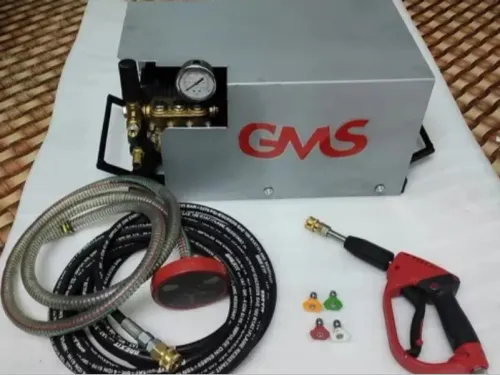
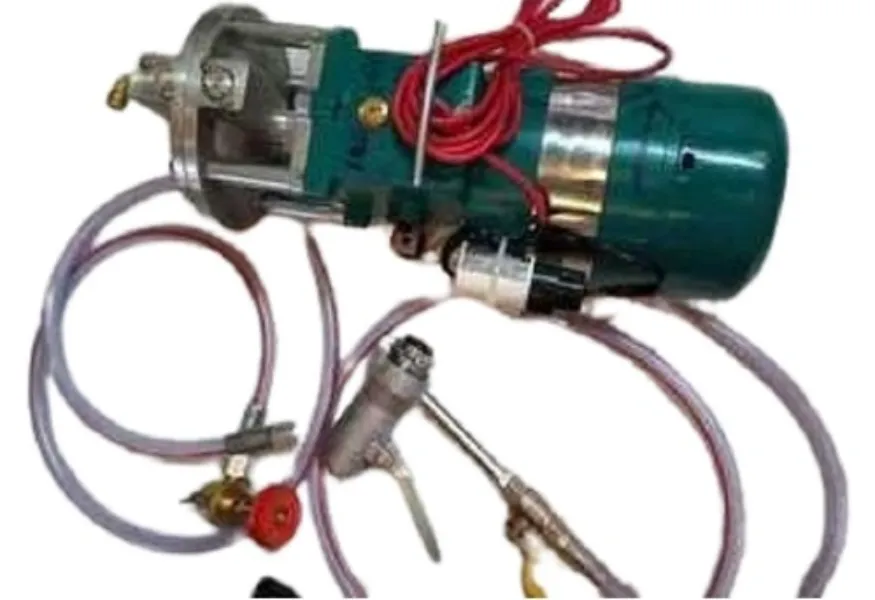
An LPG transfer pump moves liquefied petroleum gas from one approved vessel to another while maintaining controlled flow and pressure. It is used in applications where LPG must be transferred efficiently from storage tanks to cylinders, process systems, delivery units or other suitable containers.
Because LPG is stored as a liquid under pressure and vaporises rapidly when released, transfer equipment must be designed specifically for this medium. An ordinary liquid pump is not an acceptable substitute.
The Basic Working Principle
The pump draws liquid LPG from the source vessel and increases its pressure sufficiently to move it through the transfer line. Depending on the application, the system may include valves, strainers, pressure gauges, bypass arrangements and vapour-management components.
A typical transfer sequence involves:
- Confirming that the source and receiving vessels are suitable.
- Checking valves, hoses and connections.
- Establishing the correct liquid and vapour paths.
- Starting the pump under controlled conditions.
- Monitoring pressure and transfer rate.
- Stopping at the permitted filling level.
- Isolating and safely disconnecting the system.
The exact procedure depends on the installation design and applicable safety requirements.
Common Applications of LPG Transfer Pumps
LPG transfer pumps are used across several commercial and industrial environments, including:
- Cylinder filling facilities
- Bulk LPG storage installations
- Industrial heating systems
- Commercial kitchen fuel systems
- Metal processing operations
- Agricultural drying applications
- Fuel distribution facilities
- Manufacturing processes that require controlled LPG supply
In Coimbatore, pumps may be required by industrial units, equipment integrators and businesses serving Tamil Nadu’s manufacturing and commercial sectors.
Features That Influence Pump Selection
LPG transfer pump manufacturers may offer different designs based on capacity, operating pressure and installation requirements. Buyers should evaluate the complete duty conditions rather than selecting a pump solely by motor power or connection size.
Key considerations include:
- Required flow rate
- Differential pressure
- LPG composition
- Source-vessel arrangement
- Operating temperature
- Continuous or intermittent duty
- Motor and electrical classification
- Seal and material compatibility
- Installation environment
- Maintenance accessibility
A pump that is oversized can create unnecessary power consumption and operational complications. An undersized unit may struggle to maintain the desired transfer rate.
Why Bypass Protection Is Important
A bypass system helps protect the pump when the discharge line is restricted or closed. Without suitable protection, pressure can rise quickly and damage components. The bypass arrangement must be selected and set according to the pump and system design.
Strainers are also important because foreign particles can damage internal parts or affect valve operation. They should be inspected at planned intervals rather than only after a drop in performance.
Installation and Safety Essentials
LPG systems should be located in adequately ventilated areas and kept away from ignition sources. Piping must be supported correctly, while valves and hoses should have appropriate pressure ratings. Electrical equipment must suit the classified operating area.
GMS Car Wash Equipments works with customers evaluating LPG transfer pumps and related equipment requirements in Coimbatore. Buyers should provide accurate operating data so that the manufacturer or supplier can recommend a pump suited to the intended application.
Maintenance Indicators to Watch
Reduced transfer rate, unusual vibration, excessive noise, seal leakage or abnormal temperature can indicate developing problems. Operators should stop and investigate unusual behaviour instead of allowing the unit to continue running.
A dependable LPG transfer system is created through correct pump selection, compatible accessories, safe installation and disciplined maintenance. Treating these elements as one integrated system supports safer operation and more consistent performance.
Keywords