Manual vehicle washing remains common because it requires a smaller initial investment and can adapt easily to different cleaning requests. An automatic vehicle washing system, however, offers faster cycles, repeatable processes and better control over resources. GMS Car Wash Equipments helps automotive businesses in Coimbatore evaluate which approach suits their expected volume, budget and service model.
The right choice is not simply manual versus automatic. It depends on how many vehicles must be handled, the consistency customers expect and whether the operation can support the required equipment.
Manual Washing: Where It Performs Well
Manual washing gives workers direct control over each vehicle. They can spend additional time on heavily soiled areas, wheels, door edges and difficult body shapes. It is suitable for low-volume facilities and businesses offering detailed, personalised cleaning.
Its main advantages include:
- Lower initial equipment investment
- Flexibility for different vehicle types
- Easy attention to specific dirty areas
- Suitability for detailing-oriented services
The limitations are less predictable. Wash time may vary between employees, chemical usage can be inconsistent and results depend strongly on operator skill. High staff turnover can also make training an ongoing challenge.
Automatic Washing: Where It Adds Value
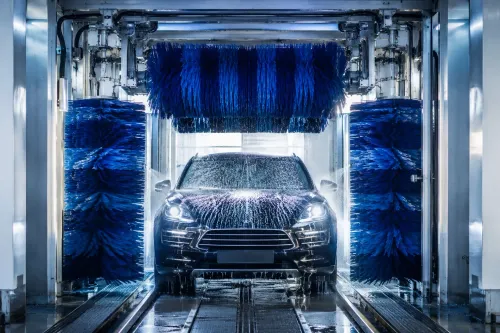
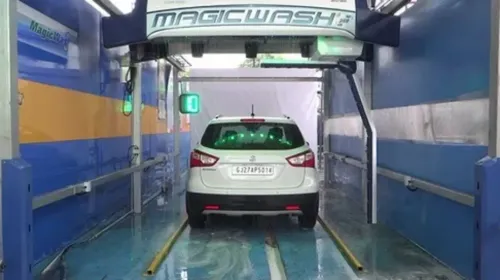
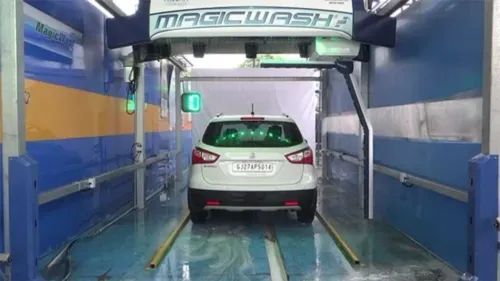
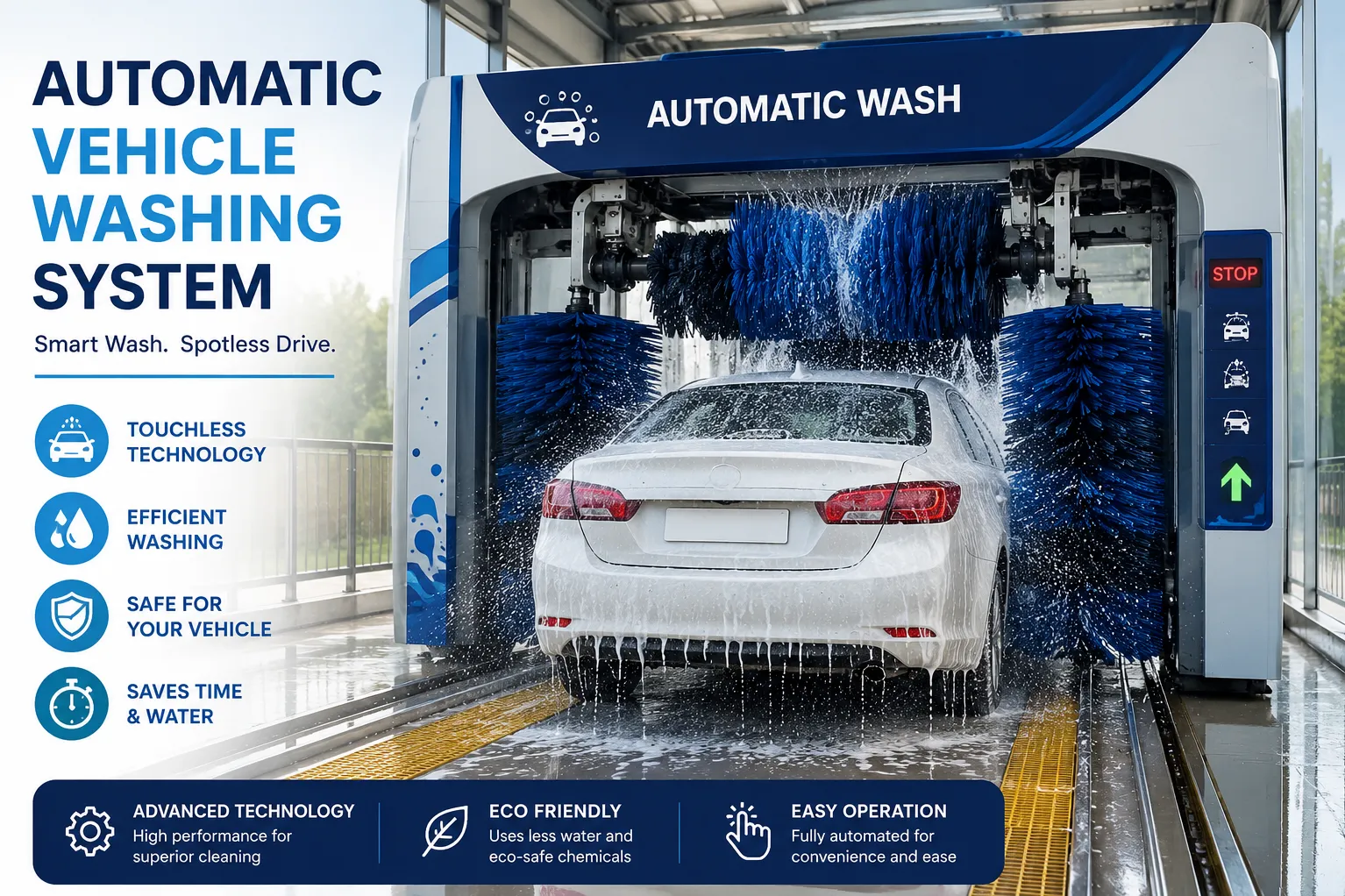
An automatic system follows programmed stages and can process vehicles with limited manual intervention. This makes it useful for busy car wash centres, dealerships, fleet facilities and workshops.
Potential benefits include:
- Shorter and more predictable wash cycles
- Consistent application of water and chemicals
- Reduced dependence on manual labour
- Easier handling of peak-hour demand
- Standardised customer service
- Better monitoring of resource consumption
Automation still requires trained supervision. Operators must position vehicles correctly, monitor the process and complete daily equipment checks.
Comparing the Two Options
Manual washing may be more practical when daily volume is limited and customers expect extensive hand detailing. Automation becomes more attractive when faster turnaround and uniform results are central to the business model.
Consider these questions:
- How many vehicles do you currently wash each day?
- What volume do you expect within the next three years?
- Is labour consistently available?
- Do customers experience long waiting times?
- Is wash quality different between employees?
- Can your site accommodate automatic equipment?
- Is sufficient power, drainage and water available?
If queues are common and employees struggle to maintain the same quality during busy hours, automation may solve a genuine operational problem.
A Hybrid Model for Coimbatore Car Washes
Many businesses in Coimbatore can benefit from combining both methods. An automatic vehicle washing system can handle exterior cleaning, while employees focus on interior vacuuming, wheel detailing and finishing work.
This approach maintains personal attention while improving exterior-wash speed. It also allows the business to offer different service packages, from a quick wash to a more detailed cleaning programme.
Consider the Full Operating Cost
Manual washing has lower capital expenditure but ongoing labour costs may be higher. Automatic systems require greater initial investment, planned maintenance and suitable infrastructure, yet they can reduce the labour time required per vehicle.
Calculate equipment, wages, water, electricity, chemicals, maintenance and potential daily revenue before deciding. The best solution is the one that supports dependable quality at a sustainable cost.
For help comparing manual, automatic and hybrid wash setups in Coimbatore, consult GMS Car Wash Equipments.
Keywords